Computers are generally connected to 240v mains electricity and must be treated with care. The computer should be properly earthed and the plugs should have the correct fuses.
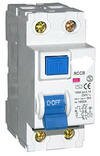
Rooms should be fitted with a residual current device (RCD) to reduce the risk of electric shock.
Trailing electrical leads should be avoided to reduce the risk of tripping or them being damaged and kick-boards under desks reduce the risk of feet tangling with trailing wires.
Leads should preferably be in trunking or be safely tied out of the way.
There should be enough power sockets to avoid them being overloaded.
Mains plugs and leads must be checked for safety once a year.
If the computer is moved or opened, the power cable must disconnected.
Fire risks:
In case of a fire, the fire extinguishers should be powder-based or CO2 (carbon dioxide) devices.
Water-based fire extinguishers should not be used on electrical appliances.
Food and Drink:
It is best to avoid eating and drinking near to computer equipment. Food crumbs can prevent a computer mouse or keyboard from working properly. Any spilt liquids are a possible fire risk near electrical equipment and can easily ruin items such as floppy disks.
Heat and Light:
Computers generate a considerable amount of waste heat and the room should therefore be adequately ventilated or even air-conditioned.
The lighting should be subdued to reduce glare from computer monitors. Direct sunlight should be avoided using suitable blinds etc. Computer monitors should ideally be placed at right-angles to any bright light sources.